
Sagawa Express, Japan
Replacing phone-and-spreadsheet courier bookings with an online platform
A national courier took pickup requests by phone and tracked them in spreadsheets. We designed the online booking platform and driver application that replaced both.
- Client
- Sagawa Express, Japan
- Industry
- Logistics
- Services
- Web Application Development, UI/UX Design
- Stack
- User research, Service design, Information architecture, Prototyping, UI design, Mobile application design
The challenge
One of Japan's largest courier companies took pickup requests by telephone. An operator answered the call, wrote down the address, the time window and the parcel details, and maintained the day's schedule in spreadsheets.
Every request cost operator time, every transcription was a chance to introduce an error, and the volume of calls set a ceiling on how much the operation could grow. Drivers received their runs on paper and had no way to report progress back other than calling in.
What we did
- Mapped the existing process end to end with the people doing it (operators, dispatchers and drivers) before designing any screen, because the spreadsheet contained rules nobody had written down.
- Designed a customer-facing booking flow that captured a pickup in a single pass, with address, time window and parcel details validated at entry rather than corrected later by an operator.
- Designed a driver application for the run itself: the day's assignments, sequencing, status updates and proof of pickup, built for one-handed use in a vehicle.
- Gave dispatchers a live operational view, so the schedule was a shared source of truth rather than a spreadsheet on one machine.
- Ran the rollout in stages alongside the phone process rather than switching it off, so the operation always had a fallback while confidence was built.
Outcome. Pickup requests moved from telephone and spreadsheets to an online platform used by customers directly. Operational efficiency measured roughly 1.3× against the previous process. Operator time previously spent transcribing calls was returned to exception handling and customer service, and drivers reported status from the application, giving dispatch visibility the paper process could not provide.
Nothing about this project was technically exotic. The difficulty was that a functioning manual process, with years of undocumented rules embedded in it, had to keep running while it was replaced. That pattern repeats constantly in the businesses we work with today.
Design and product leadership by a member of our team, delivered while at Monstarlab for Sagawa Express.
More client work
All case studies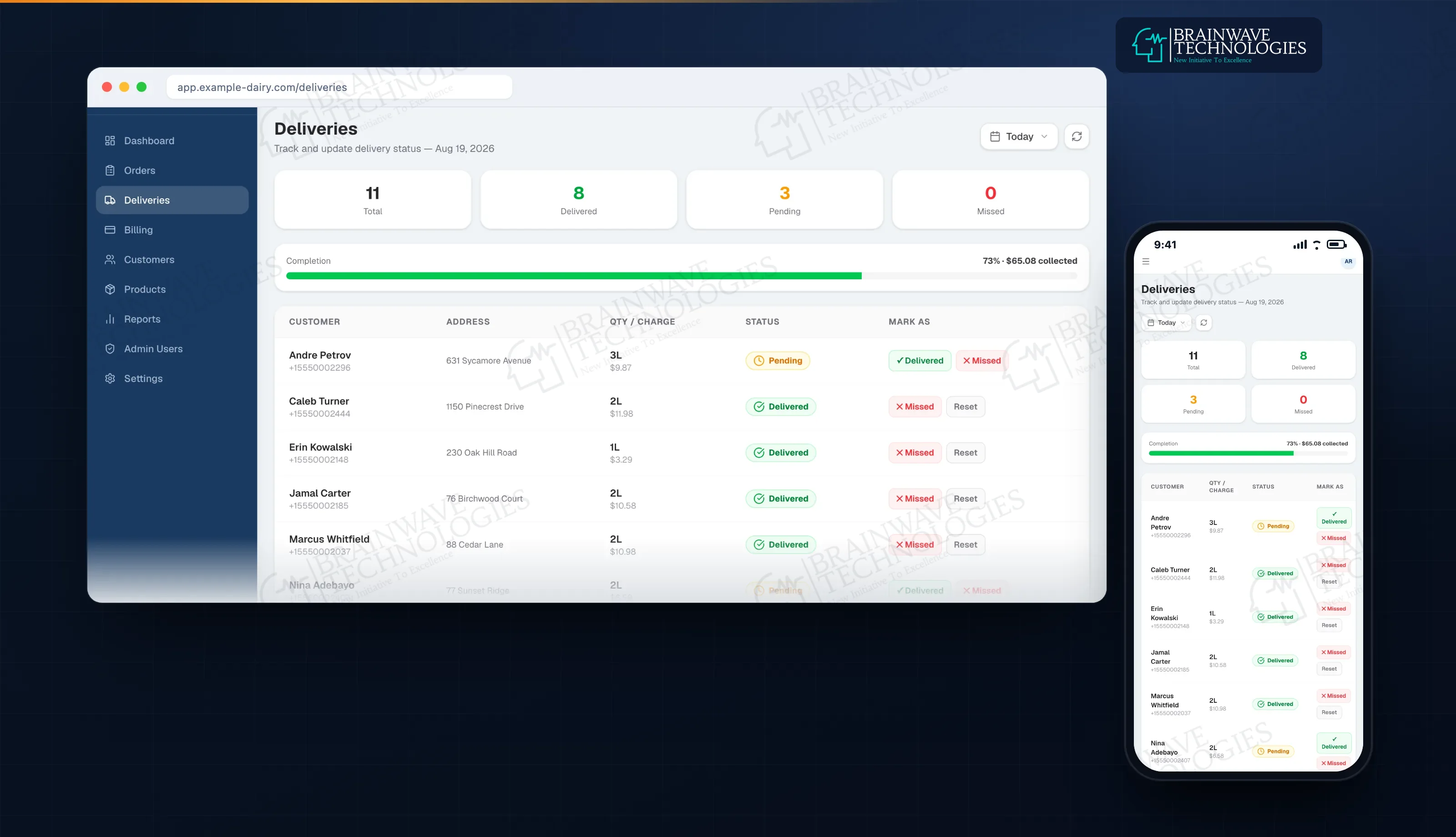 Logistics
Subscription deliveries that schedule, route and bill themselves
2 portals (customer and operations) from one codebase
Read the case study →
 eCommerce
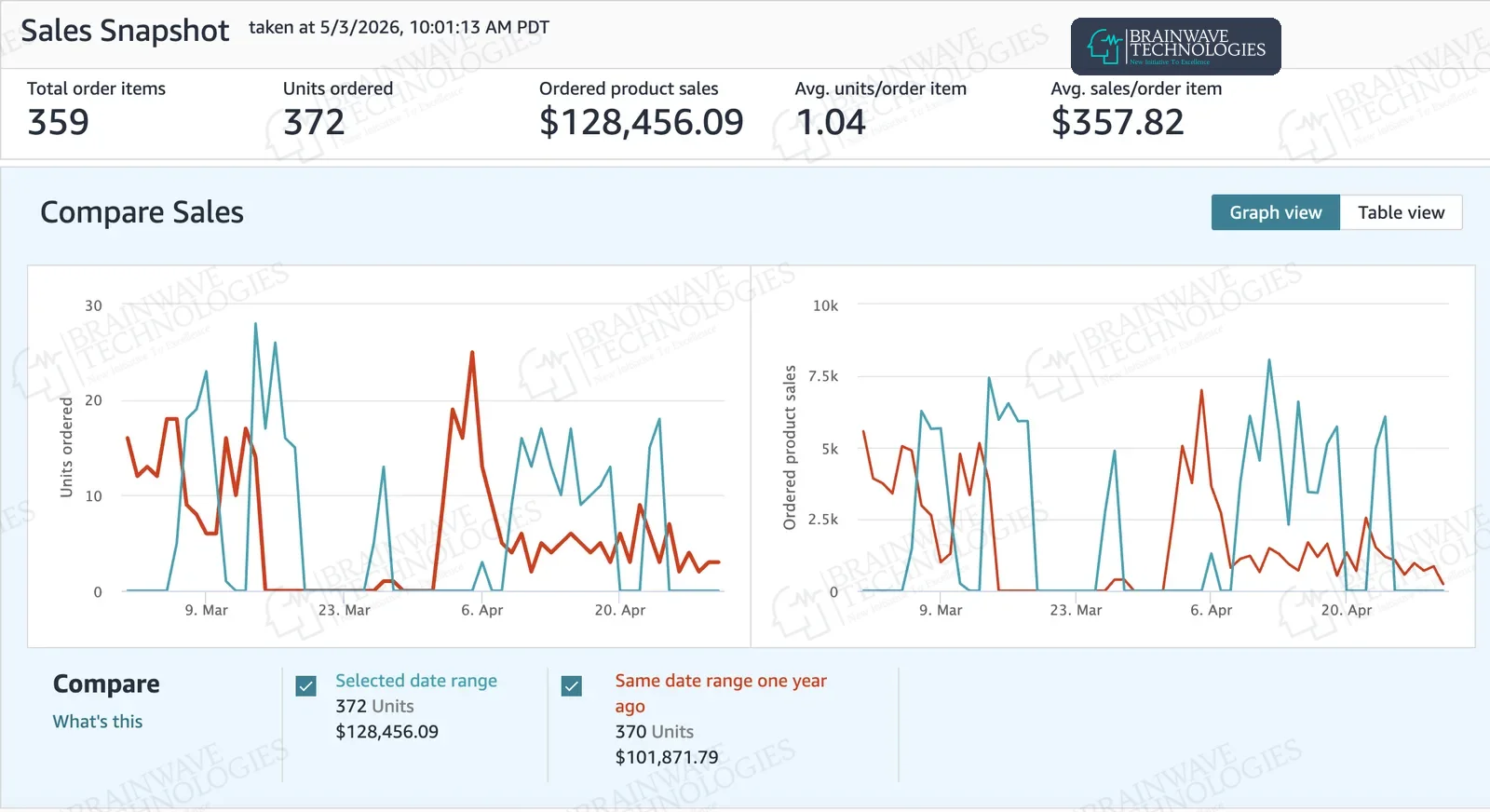
Amazon and Walmart accounts run for revenue: a price change that paid, and a channel opened from zero
26.1% more Amazon revenue from the same units, year on year
Read the case study →
 SMBs
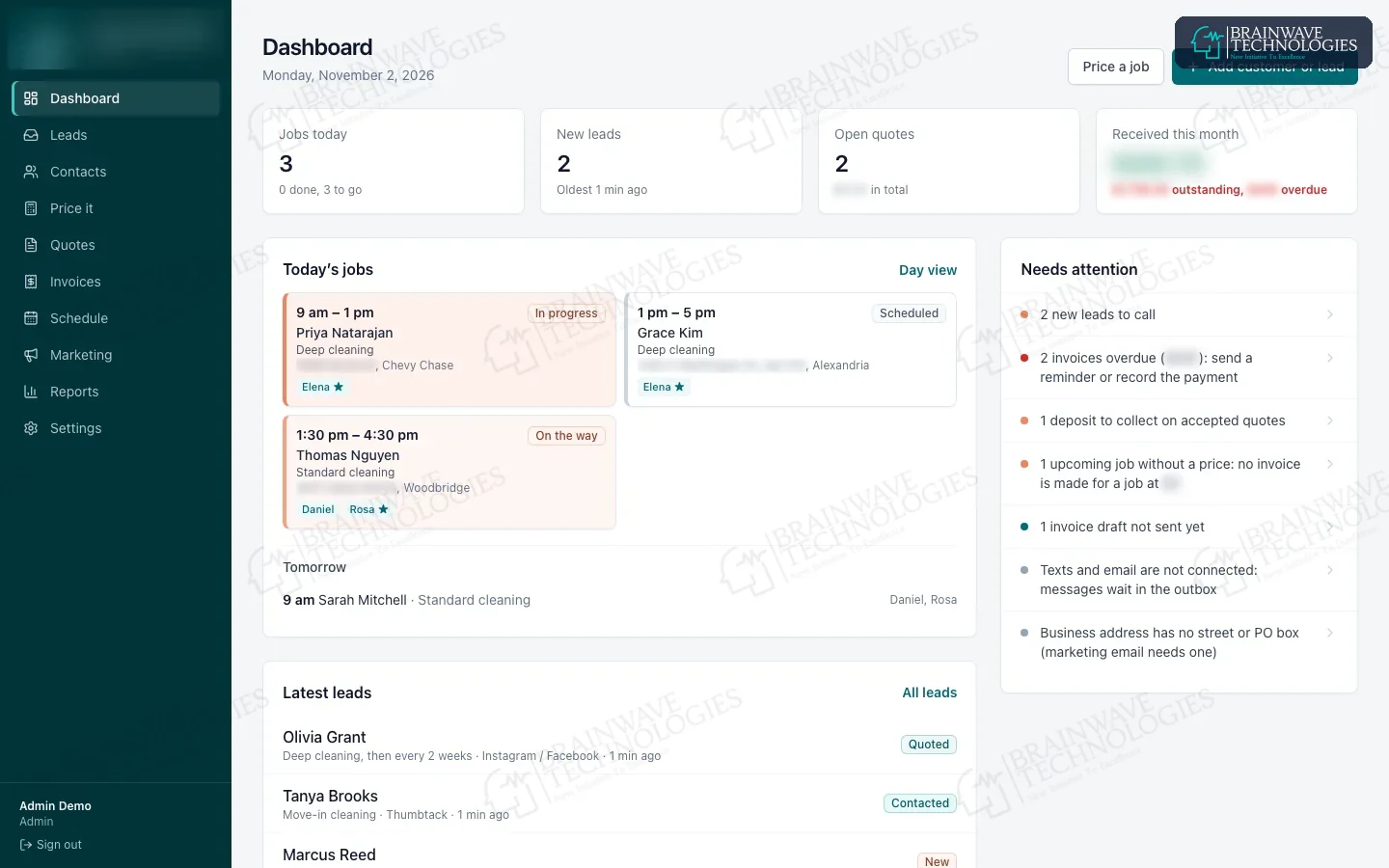
The office behind a cleaning company: leads, quotes, crews and invoices in one system
6 slices delivered, from lead inbox to reports
Read the case study →
Let’s talk
Tell us about a similar problem in your business. A senior specialist replies within one business day.